
Puzzle Games Unblocked
About Puzzle Games
Puzzle Games represent one of gaming's most intellectually rewarding genres, challenging players to solve problems through logic, pattern recognition, spatial reasoning, and creative thinking rather than reflexes or combat skills. From classic match-three mechanics to innovative physics-based challenges, Puzzle Games engage your mind in ways that are both entertaining and mentally stimulating, making them perfect for players seeking thoughtful gameplay that rewards careful analysis and strategic planning. What makes Puzzle Games uniquely appealing is their ability to create "aha!" moments - those satisfying instances when a solution suddenly becomes clear after careful consideration. Unlike action-oriented games that test physical reflexes, Puzzle Games emphasize cognitive skills including problem-solving, memory, spatial awareness, and logical deduction. The best Puzzle Games feature elegant design where simple rules create complex challenges, ensuring that anyone can understand the basics while mastering advanced strategies requires genuine skill and insight. Modern browser-based Puzzle Games have evolved beyond simple mechanics to incorporate sophisticated physics engines, creative level design, and innovative gameplay concepts that keep the genre fresh and engaging. Why Puzzle Games maintain enduring popularity across all age groups comes down to their universal appeal and accessibility. These games do not require fast reflexes or gaming experience - just curiosity and willingness to think creatively. The difficulty curves typically start gentle and gradually increase, allowing players to build confidence while developing problem-solving skills. Many Puzzle Games offer unlimited time to consider moves, creating stress-free environments where you can think at your own pace without pressure. This makes them ideal for relaxation and mental exercise, whether you are taking a short break or settling in for an extended puzzle-solving session. The satisfaction of completing a challenging puzzle releases dopamine and creates genuine feelings of accomplishment that keep players engaged long-term. ## Puzzle Games Benefits for Brain Development The cognitive benefits of regular Puzzle Game play extend far beyond simple entertainment, creating measurable improvements in multiple areas of brain function that persist into daily life. Scientific research consistently demonstrates that engaging with challenging puzzles activates multiple brain regions simultaneously, strengthening neural connections and promoting neuroplasticity - the brain's ability to form new pathways and adapt to challenges. This makes Puzzle Games one of the most effective forms of cognitive exercise available through digital entertainment. Memory enhancement represents one of the most significant benefits of consistent Puzzle Game engagement. Working memory - the ability to hold and manipulate information temporarily - improves dramatically as players practice remembering patterns, tracking multiple elements, and recalling successful strategies from previous attempts. Games like 2048 require players to track number combinations and plan several moves ahead, directly exercising short-term memory. Little Alchemy challenges players to remember hundreds of element combinations, strengthening long-term memory formation. These memory improvements transfer directly to real-world tasks including studying, professional work, and daily problem-solving situations. Problem-solving abilities develop through exposure to diverse puzzle types that require different cognitive approaches. Abstract reasoning improves as players learn to identify underlying patterns and principles that apply across various situations. Lateral thinking develops when conventional approaches fail and creative solutions become necessary. Strategic planning skills emerge as players learn to anticipate consequences, evaluate multiple possibilities, and optimize their decision-making processes. These enhanced problem-solving abilities prove valuable in academic settings, professional environments, and personal life challenges where analytical thinking determines success. Spatial reasoning and visual processing capabilities strengthen significantly through Puzzle Games that involve manipulating objects, predicting movements, or understanding three-dimensional relationships. Games like Getting Over It develop spatial awareness and physics intuition as players learn to control movement through complex environments. Geometry Dash improves visual processing speed and pattern recognition. These spatial skills correlate strongly with success in STEM fields including mathematics, engineering, architecture, and technology, making Puzzle Games valuable educational tools beyond pure entertainment. Attention span and focus improve as Puzzle Games reward sustained concentration while filtering out distractions. The engaging nature of well-designed puzzles creates flow states - periods of deep focus where time seems to pass quickly and performance peaks. Regular practice entering these flow states through Puzzle Games can improve your ability to concentrate in other contexts, from studying and work projects to creative endeavors. The self-paced nature of most Puzzle Games also teaches patience and persistence, valuable traits in our increasingly distraction-filled digital environment. Mental flexibility and adaptability develop as players encounter puzzles that resist initial approaches, requiring strategy adjustments and alternative thinking. This cognitive flexibility - switching between different problem-solving approaches - proves essential in modern life where circumstances change rapidly and rigid thinking creates obstacles. Puzzle Games provide safe environments to practice adaptability without real-world consequences, building mental resilience that transfers to handling unexpected challenges in daily life. Our Puzzle Games collection showcases diverse challenges that exercise different cognitive skills. Little Alchemy offers creative discovery gameplay where you combine elements to unlock hundreds of items, rewarding both logical thinking and imaginative experimentation. 2048 Game delivers addictive number-combining mechanics that are easy to learn but challenging to master, with strategic depth that keeps you chasing higher scores. Geometry Dash combines rhythm and precision in a unique puzzle-platformer hybrid. Getting Over It tests spatial reasoning and physics understanding through its challenging climbing mechanics. Tunnel Rush requires pattern recognition and quick decision-making as you navigate through obstacles. Slope challenges your ability to predict trajectories and plan ahead. Cut the Rope presents delightful physics-based challenges that develop spatial reasoning. B-Cubed exercises three-dimensional thinking through cubic navigation puzzles. Wordle Unlimited strengthens vocabulary and deduction skills through word challenges. The educational benefits of Puzzle Games are well-documented, with research showing improvements in problem-solving abilities, memory retention, spatial reasoning, and cognitive flexibility among regular players. Teachers and parents appreciate Puzzle Games for their ability to make learning fun while developing critical thinking skills. The genre encompasses everything from pure logic puzzles and spatial challenges to creative discovery games and physics-based brain teasers, ensuring there is a perfect puzzle experience for every type of thinker. Whether you prefer the methodical approach of strategic puzzles or the creative freedom of open-ended discovery games, our collection offers mentally stimulating entertainment that is both fun and beneficial for cognitive development across all age groups and skill levels.
Featured Game: Play Outcome Memories Online – Experience the ultimate Roblox horror game free in your browser, no download needed.
Popular Puzzle Games
All Puzzle Games (8)

Merge Infinity

Rummikub

Bloons Tower Defense 4

Cut The Rope

B-Cubed
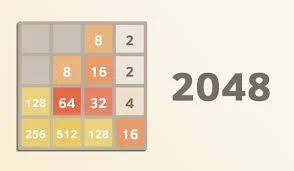
2048

Wordle
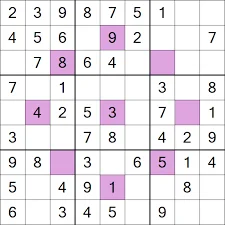
Sudoku
Top 20 Puzzle Games to Play Online Free
Why Play Puzzle Games?
Puzzle Games offer unique benefits that extend beyond entertainment. They provide mental exercise that keeps your brain sharp while delivering genuine satisfaction through problem-solving achievements. Unlike passive entertainment, Puzzle Games actively engage your cognitive abilities, improving memory, logic, and creative thinking skills. The browser-based format means you can access these brain-training experiences instantly without downloads, making it easy to fit mental exercise into your daily routine. Whether you have five minutes for a quick puzzle or hours for deep problem-solving sessions, Puzzle Games adapt to your schedule while providing consistent mental stimulation and entertainment.
Benefits of Puzzle Games
Regular Puzzle Game play has been linked to improved cognitive function, enhanced problem-solving abilities, better memory retention, and increased mental flexibility. These games create a judgment-free environment where you can experiment with different approaches, learn from mistakes, and develop strategic thinking skills at your own pace. The variety of puzzle types ensures you are exercising different cognitive abilities - spatial reasoning, pattern recognition, logical deduction, and creative thinking. Many Puzzle Games feature progressive difficulty that grows with your skills, ensuring you are always appropriately challenged without becoming frustrated. The stress-free nature makes them perfect for relaxation while still providing meaningful mental engagement.
Start Playing Now
Our Puzzle Games collection represents the finest browser-based brain-training experiences available, carefully selected to provide diverse cognitive challenges and entertainment value. From creative discovery games to strategic number puzzles, physics-based challenges to pattern recognition tests, each game offers unique mental stimulation. All games are free, unblocked, and instantly playable without downloads. Start exercising your brain today and discover why millions of players choose Puzzle Games for both entertainment and mental development. Challenge your mind, develop problem-solving skills, and experience the satisfaction of cracking complex puzzles in these exceptional online games.
Related Categories
Frequently Asked Questions
Are Puzzle Games good for brain training?
Yes! Research shows that regular Puzzle Game play can improve cognitive function, memory retention, problem-solving abilities, and mental flexibility. These games exercise different cognitive skills including spatial reasoning, pattern recognition, logical deduction, and creative thinking. They provide meaningful mental stimulation while remaining entertaining and engaging, creating measurable improvements in brain function that transfer to real-world tasks and challenges.
What age groups can enjoy Puzzle Games?
Puzzle Games appeal to all age groups from children to seniors. The genre's emphasis on logic and problem-solving rather than reflexes makes them accessible to everyone regardless of physical abilities or gaming experience. Many Puzzle Games feature adjustable difficulty levels or progressive challenges that adapt to different skill levels, ensuring appropriate challenges for beginners and experts alike. This universal accessibility makes them perfect family entertainment.
Do Puzzle Games have time limits?
Most Puzzle Games in our collection offer unlimited time to consider moves, creating stress-free environments where you can think at your own pace without pressure. This makes them ideal for relaxation and methodical problem-solving. Some games include optional timed modes for players seeking additional challenge, but the core experience typically allows thoughtful, pressure-free gameplay that accommodates different thinking speeds and play styles.
Can Puzzle Games help with stress relief?
Absolutely! Puzzle Games provide excellent stress relief by offering engaging mental challenges that distract from daily worries while remaining non-threatening and judgment-free. The satisfaction of solving puzzles releases dopamine, creating positive feelings and sense of accomplishment. The self-paced nature allows you to play without pressure, making them perfect for unwinding and relaxation. Many players find the focused attention required by puzzles creates meditative states that reduce anxiety.
How do Puzzle Games improve problem-solving skills?
Puzzle Games develop problem-solving abilities by presenting challenges that require analytical thinking, pattern recognition, and strategic planning. Regular play trains your brain to approach problems systematically, consider multiple solutions, and adapt strategies when initial approaches fail. These skills transfer directly to real-world situations including academic challenges, professional tasks, and daily decision-making. The safe environment of games allows you to practice problem-solving without real-world consequences.
Are browser-based Puzzle Games as good as mobile apps?
Yes! Modern browser-based Puzzle Games offer experiences that match or exceed mobile apps, with larger screens providing better visibility for complex puzzles and mouse/keyboard controls offering precision advantages. The instant accessibility without downloads, automatic progress saving, and cross-platform compatibility make browser games highly convenient. Many popular mobile puzzle games also have excellent browser versions that provide the same engaging gameplay without storage concerns or update hassles.
Can Puzzle Games help improve memory?
Definitely! Puzzle Games exercise both short-term and long-term memory by requiring players to remember patterns, track multiple elements, recall successful strategies, and build knowledge bases of effective approaches. Games like Little Alchemy develop long-term memory through hundreds of element combinations, while games like 2048 strengthen working memory by requiring players to plan several moves ahead. These memory improvements often transfer to improved performance in academic and professional contexts.
What makes a good Puzzle Game?
Good Puzzle Games feature simple rules that create complex challenges, intuitive controls that do not interfere with problem-solving, progressive difficulty that grows with player skill, and elegant design where solutions feel satisfying to discover. The best puzzles have that "aha!" quality where solutions suddenly become clear after careful thought. Good Puzzle Games also respect player time with fair challenges, clear feedback, and the right balance between accessibility for newcomers and depth for experienced players.
Do I need gaming experience to enjoy Puzzle Games?
Not at all! Puzzle Games are among the most accessible gaming genres, requiring only curiosity and willingness to think creatively. Most games include tutorials explaining basic mechanics, and difficulty curves start gentle to build confidence gradually. Unlike action games requiring practiced reflexes or complex control schemes, Puzzle Games emphasize cognitive skills that everyone possesses and can develop at their own pace. They are perfect entry points for people new to gaming.
Can Puzzle Games be played with friends or family?
Yes! While many Puzzle Games are single-player experiences, they create excellent opportunities for collaboration and friendly competition. Family members can work together to solve challenging puzzles, share strategies and discoveries, or compete for high scores and fastest completion times. Some Puzzle Games include multiplayer modes, while others naturally encourage taking turns and discussing solutions. The non-violent, mentally stimulating nature makes them ideal for multi-generational family gaming.
How long do Puzzle Games typically take to play?
Puzzle Games offer flexible time commitments ranging from quick 5-minute sessions to hours-long deep dives. Many games feature level-based structures where you can play one puzzle and stop, making them perfect for short breaks. Others like Little Alchemy and 2048 allow you to save progress and continue anytime. The self-paced nature means you control session length based on available time and interest, making Puzzle Games adaptable to busy schedules.
Are Puzzle Games suitable for educational settings?
Absolutely! Teachers and educators increasingly incorporate Puzzle Games into curricula because they develop critical thinking, logical reasoning, spatial awareness, and persistence in engaging ways. Games like Little Alchemy teach scientific concepts through experimentation, while number puzzles reinforce mathematical thinking. The immediate feedback and judgment-free environments encourage students to experiment, learn from mistakes, and develop growth mindsets. Many educators use Puzzle Games as rewards that also provide educational value.